Spain is one of Europe’s most culturally rich and socially vibrant countries, where daily life is shaped by tradition, community, and a strong sense of identity. Travelers often search for “Spanish culture” or “life in Spain” to understand how locals live, socialize, and enjoy their time. From long family meals and world-famous festivals to relaxed daily rhythms and late-night social culture, Spain offers a lifestyle that blends history, warmth, and modern Mediterranean living.
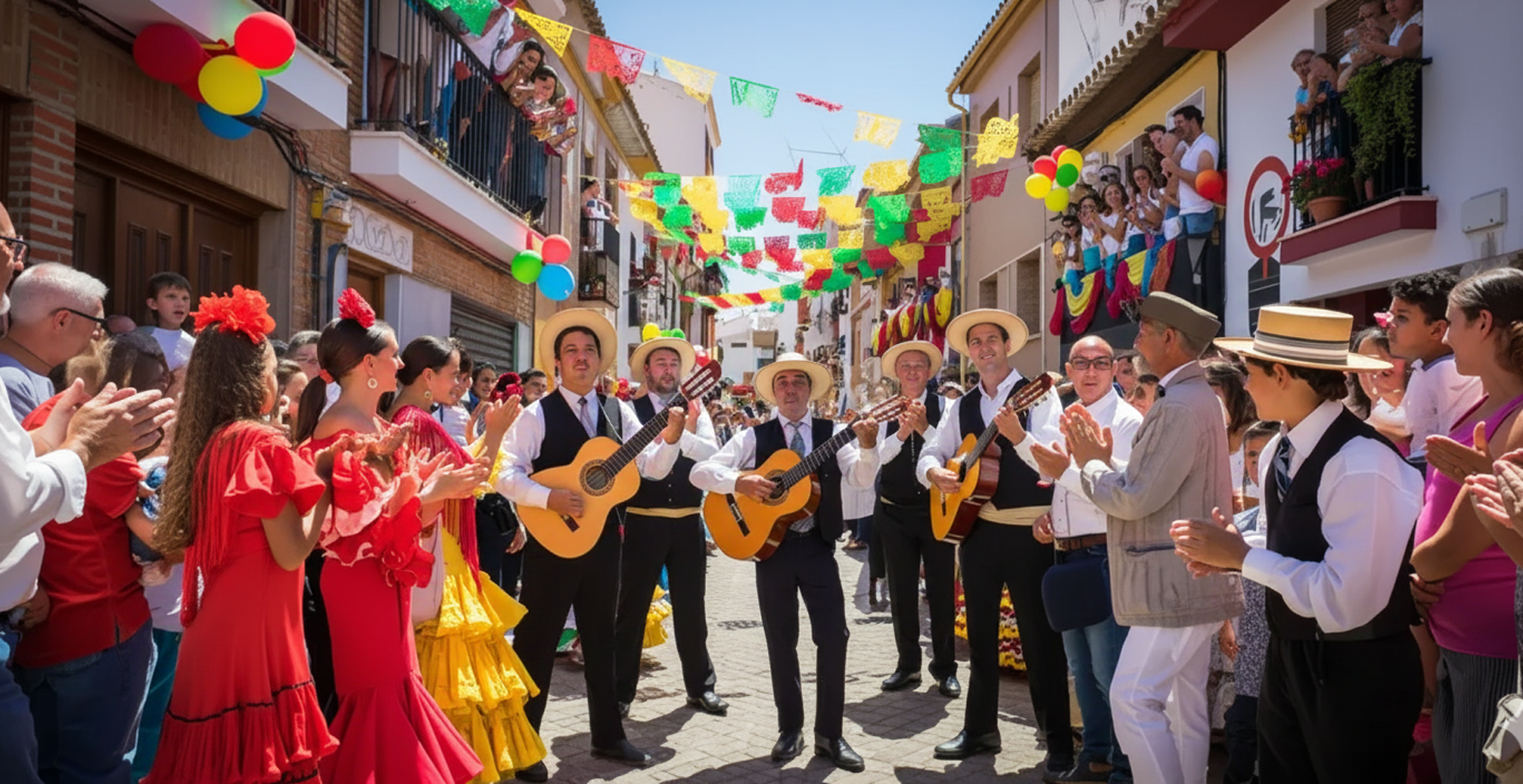
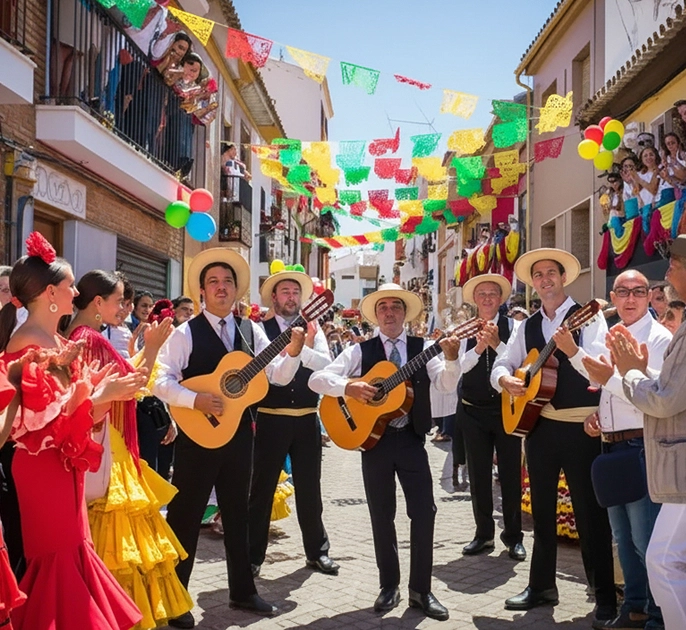
Festivals are at the heart of Spanish culture, with each region celebrating its own traditions throughout the year. Events like Las Fallas in Valencia, La Tomatina in Buñol, and the globally famous Running of the Bulls in Pamplona attract visitors from all over the world. These festivals combine music, fireworks, traditional clothing, and community participation, reflecting Spain’s strong cultural identity. In coastal regions such as the Costa Blanca, local fiestas also play a major role, featuring parades, bonfires, and religious celebrations that bring entire towns together in a shared social experience.
Spanish food culture is deeply social, centered around shared meals and long dining experiences rather than fast eating. Travelers frequently search for “Spanish food culture” to understand staples like tapas, paella, jamón ibérico, and fresh seafood. Meals are often enjoyed slowly with family or friends, accompanied by conversation and local wine. Markets and tapas bars are key parts of everyday life, especially in cities and coastal towns, where people gather in the evenings to eat, drink, and socialize in a relaxed atmosphere that reflects the Mediterranean lifestyle.
Family plays a central role in Spanish society, with strong intergenerational bonds and regular gatherings. It is common for extended families to meet frequently for meals, celebrations, and weekends together. Spanish social life is highly community-oriented, with a focus on personal relationships and face-to-face interaction. Friendships are long-term and socializing is often prioritized over strict scheduling, reflecting a more flexible and human-centered approach to daily life. This strong social fabric is one of the defining characteristics of Spanish culture.
The concept of the siesta is one of the most internationally recognized aspects of Spanish life, although its modern practice varies by region and profession. Traditionally, it reflects a lifestyle adapted to warmer climates, where the day is divided into more flexible periods of activity and rest. In many areas, especially smaller towns, businesses may close for a few hours in the afternoon before reopening in the evening. This rhythm supports a later dinner culture and contributes to Spain’s famously active nightlife.
Spain is known for its vibrant social life, where evenings often begin late and extend well into the night. People commonly meet for late dinners, drinks, and long conversations in plazas, bars, and terraces. Cities like Madrid, Barcelona, and coastal destinations such as Benidorm and Alicante offer lively nightlife scenes, but even smaller towns maintain strong social traditions. This late-night culture reflects a broader lifestyle focused on enjoyment, connection, and spending time with others rather than rushing through the day.

 ENG
ENG
 Español